Learn when extra sleep in cats may be normal and when increased sleeping could point to stress, aging, boredom, pain, or illness. This guide breaks down the topic in a clear and practical way for everyday readers.
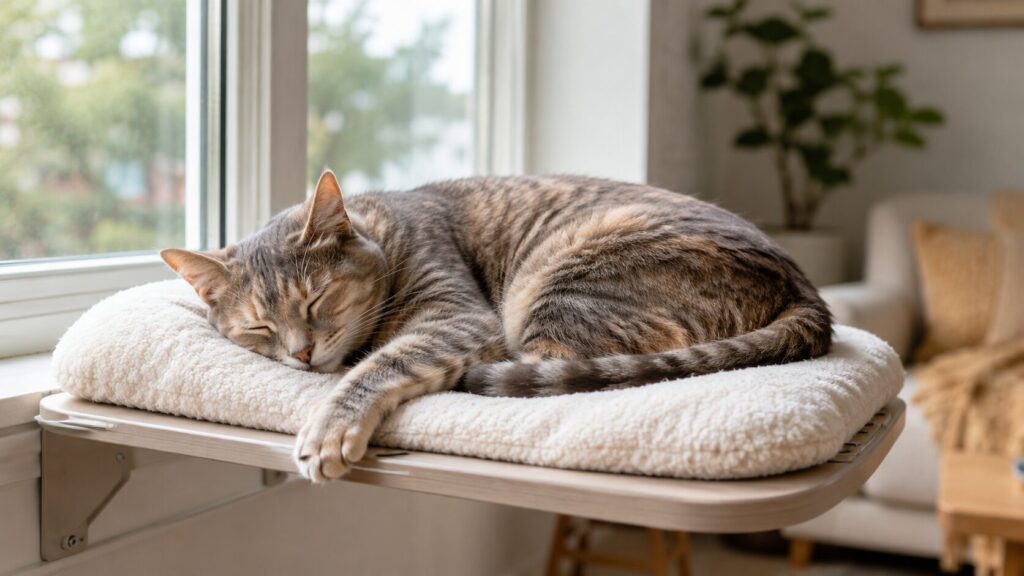
Cats Naturally Sleep a Lot
Cats commonly sleep many hours a day, often more than people expect. Age, activity level, weather, and personality all influence how much rest a cat takes.
The concern is usually not sleep by itself, but a change from the cat’s normal pattern. A cat that is sleeping more and also eating less, avoiding interaction, or ignoring favorite activities deserves closer attention.
Normal Reasons a Cat May Sleep More
Kittens and senior cats usually sleep more than healthy young adults. A very active day may also lead to extra rest afterward. Indoor cats sometimes appear to sleep more simply because their environment is quiet and predictable.
Changes in season can matter too. Cool weather and reduced stimulation may encourage more napping, especially in homes where daytime activity is limited.
When Sleepiness May Signal a Problem
Increased sleeping can occur with pain, fever, digestive illness, dental disease, stress, obesity, and many other medical conditions. Some cats seem sleepy because they are actually weak, lethargic, or withdrawing.
Look for changes in appetite, grooming, litter box use, mobility, breathing, weight, or social behavior. A cat that hides more, moves less, or reacts differently to touch may be unwell rather than simply tired.
Stress, Boredom, and Routine Changes
Cats often respond to environmental changes by resting more or withdrawing. A move, visitors, a new pet, noise, or an altered schedule can affect behavior. Boredom can also reduce visible daytime activity.
Try to consider what has changed recently. Supportive routines, quiet spaces, regular play, and access to enrichment can help, but they are not a substitute for medical assessment when other symptoms are present.
How to Observe Your Cat at Home
Track how long the pattern has been happening and whether your cat is easy to wake. Notice whether your cat still plays, greets you, uses the litter box normally, and finishes meals. Check if the cat is choosing new hiding spots or seems uncomfortable jumping onto familiar surfaces.
Short videos and written notes can help a veterinarian understand the change more clearly.
When to Contact a Veterinarian
Call a veterinarian when extra sleep is sudden, prolonged, or combined with poor appetite, vomiting, diarrhea, weight change, rapid breathing, limping, dehydration, or obvious pain. Lethargy is different from healthy rest and should not be ignored.
A veterinarian can evaluate whether the behavior fits normal variation or points to an underlying issue.
Final Thoughts
More sleep can be normal for a cat, but a noticeable change in routine deserves a closer look. Watch for patterns, compare the behavior with your cat’s usual habits, and seek veterinary advice when sleepiness appears with other changes.
Frequently Asked Questions
How many hours a day do cats usually sleep?
Many cats sleep for a large portion of the day, often around 12 to 16 hours or more depending on age and activity.
Is it normal for older cats to sleep more?
Yes, senior cats often rest more, but sudden or extreme changes still deserve attention.
What is the difference between sleepiness and lethargy?
A sleepy cat wakes and responds normally, while a lethargic cat may seem weak, withdrawn, or unusually hard to engage.
Can boredom make a cat sleep more?
It can contribute to low visible activity, especially in under-stimulated indoor environments.
When should I worry about my cat sleeping a lot?
Seek advice if the change is sudden or occurs with appetite loss, hiding, weight change, vomiting, or other unusual signs.