Find the best low-light apartment plants with practical tips on care, watering, and realistic expectations for indoor spaces with limited sunlight. This guide breaks down the topic in a clear and practical way for everyday readers.
Low Light Does Not Mean No Light
Many apartment dwellers want plants that tolerate dimmer rooms, but it helps to be realistic. Few plants thrive in very dark spaces. Most low-light plants simply tolerate lower light better than sun-loving species.
The best approach is to place a plant in the brightest available spot that still matches its needs and to observe how it responds over time.
Reliable Low-Light Choices
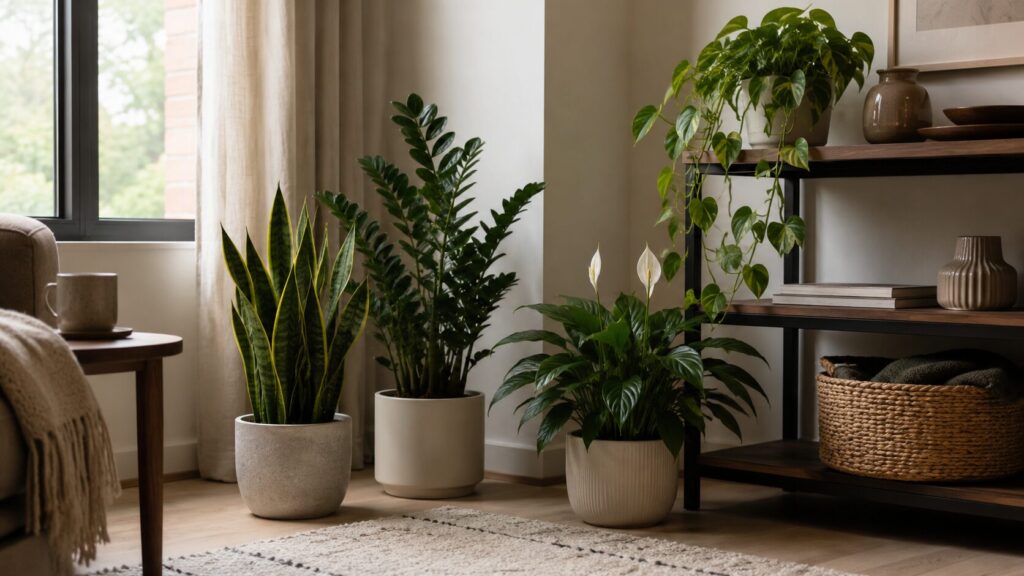
Snake plant, ZZ plant, pothos, heartleaf philodendron, cast iron plant, and some peace lilies are popular choices for lower-light interiors. They are known for adaptability and relatively forgiving care.
Each still has preferences. Snake plants and ZZ plants often tolerate neglect well, while peace lilies may need more consistent moisture. Vining plants such as pothos and philodendron can adapt to shelves and hanging positions.
How to Water in Lower Light
Plants in lower light usually use water more slowly. This means overwatering is a common problem. Check the soil before watering rather than following a strict schedule.
Containers need drainage holes, and excess water should not remain trapped around the roots. Yellowing leaves, mushy stems, and a musty smell can suggest overwatering.
Placement Tips for Apartments
Place plants near east-facing windows or a few feet from brighter windows when direct sun is too strong. Keep them away from heating vents, cold drafts, and sudden temperature shifts.
If one side of the plant leans toward the window, rotate the pot gradually. Dust on leaves can reduce the plant’s ability to use available light, so wipe them gently from time to time.
How to Tell if a Plant Is Struggling
Stretched growth, long spaces between leaves, fading variegation, slow growth, or dropping lower leaves can suggest the plant needs more light. Overwatering symptoms can look similar, so evaluate both light and soil moisture.
If natural light is very limited, a grow light may be a practical solution.
Choose a Plant That Matches Your Habits
Busy plant owners may do better with species that tolerate occasional neglect, while people who enjoy routine care may prefer plants that show their needs more clearly. Matching the plant to the home and the caretaker is often more important than choosing the trendiest species.
Final Thoughts
Low-light apartment plants are successful when expectations are realistic and watering is adjusted to slower growth. Start with dependable species, provide the brightest suitable spot, and avoid the common trap of overwatering.
Frequently Asked Questions
What is the easiest low-light plant for beginners?
Snake plant and pothos are often considered beginner-friendly choices.
Can low-light plants live in a bathroom?
Some can if there is at least some natural or artificial light and the temperature is suitable.
How often should I water low-light houseplants?
It depends on the plant, pot, and room conditions. Always check the soil first.
Why is my low-light plant getting leggy?
The plant may still need more light even if it is considered low-light tolerant.
Do low-light plants need fertilizer?
They may benefit from light feeding during active growth, but they often need less than faster-growing plants in brighter locations.