Starting a backyard garden does not have to be expensive.
Many people imagine that gardening requires a large yard, raised beds, special tools, bags of premium soil, and a big weekend project. But a simple garden can begin with a small space, a few basic supplies, and a realistic plan.
If you are new to gardening, starting small is often the best choice.
A small backyard garden is easier to manage, easier to water, and less expensive to maintain. You can learn what works in your space without spending too much money or feeling overwhelmed.
This guide will show you how to start a small backyard garden on a budget with practical steps that are easy to follow.
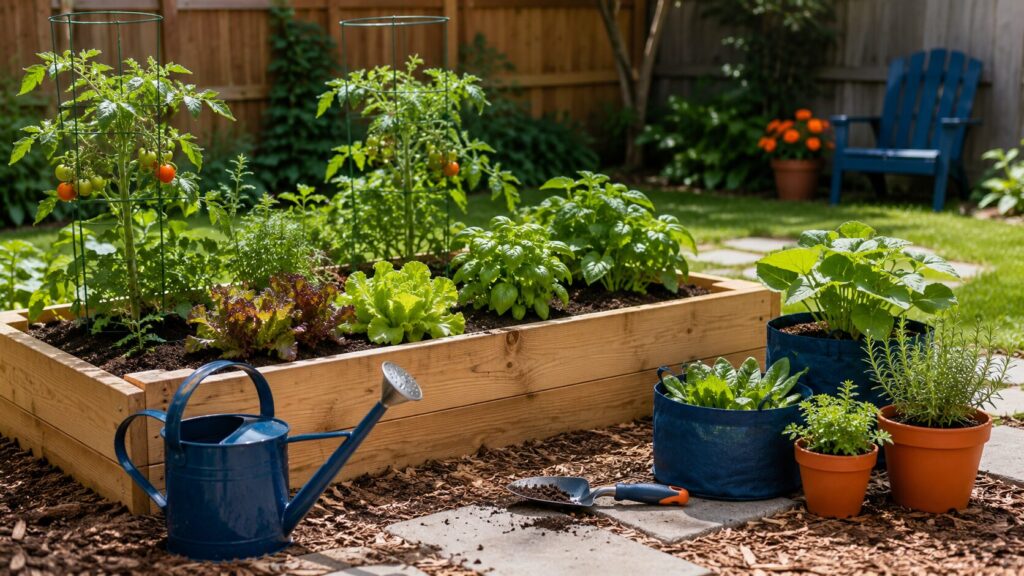
Start With a Small Area
One of the biggest mistakes beginners make is trying to garden too much space at once.
A large garden may look exciting at first, but it can quickly become difficult to manage. More space means more soil, more plants, more watering, more weeding, and more maintenance.
Start with one small area instead.
This could be:
A corner of the backyard
A narrow strip along a fence
A few containers on a patio
One raised bed
A small sunny patch near the house
A simple herb garden by the back door
A small garden gives you room to learn without turning the project into a major expense.
You can always expand later once you understand your soil, sunlight, watering routine, and plant choices.
Choose the Right Location
Before buying anything, look carefully at your backyard.
The best garden location depends on sunlight, water access, and convenience.
Most vegetables, herbs, and flowering plants need several hours of sunlight each day. A sunny spot is usually better than a shaded one, especially if you want to grow food.
Spend a day noticing where the sun hits your yard.
Ask yourself:
Which areas get morning sun?
Which areas get afternoon sun?
Where does water collect after rain?
Is the area easy to reach with a hose or watering can?
Can I see the garden from the house?
A garden that is easy to reach is easier to care for.
If the garden is too far away or hidden in an inconvenient corner, you may forget to water it or check on it regularly.
Use What You Already Have
Budget gardening starts with using what you already own.
Before buying new supplies, look around your home, garage, shed, or storage area.
You may already have useful items such as:
Old pots
Buckets
Wood scraps
Bricks
A small shovel
Garden gloves
A watering can
Plastic bins
Old baskets
Unused containers
Some containers can become planters if they are safe to use and have drainage holes.
You can also reuse materials to create borders, paths, plant markers, or simple storage.
The goal is not to make everything perfect. The goal is to create a functional garden without spending more than necessary.
Pick Easy Plants First
When you are starting a small backyard garden, choose plants that are beginner-friendly.
Easy plants help you build confidence and avoid frustration.
Good beginner options may include:
Basil
Mint
Parsley
Lettuce
Spinach
Green onions
Radishes
Cherry tomatoes
Marigolds
Zinnias
Peppers
Herbs are especially useful for small gardens because they do not need a lot of space and can be used in everyday cooking.
Lettuce and radishes can also be good beginner crops because they grow fairly quickly.
If you want flowers, marigolds and zinnias are colorful, cheerful, and usually easier than delicate plants.
Start with a few plants instead of buying everything at once.
A small number of healthy plants is better than a crowded garden that becomes hard to care for.
Decide Between Containers, Beds, or In-Ground Planting
There are several ways to build a small backyard garden.
The best option depends on your space, budget, and soil.
Container gardening is often the easiest way to start. You can use pots, grow bags, buckets, or planters. Containers are good for patios, decks, small yards, and renters.
Raised beds can be helpful if your soil is poor or compacted. They are easier to control, but they may cost more if you buy lumber, soil, and supplies.
In-ground planting can be the most affordable option if your backyard soil is usable. You may only need to clear the area, loosen the soil, and add compost.
For a tight budget, containers or a small in-ground bed may be the simplest starting point.
You do not need a perfect garden structure to begin.
Improve the Soil Without Spending Too Much
Healthy soil is one of the most important parts of a successful garden.
But you do not always need expensive soil products.
If you are planting in the ground, start by removing weeds, rocks, and debris. Loosen the soil with a shovel, garden fork, or hand tool.
Adding compost can improve soil texture and nutrients.
If you have access to affordable compost, use it to enrich the planting area.
You can also start a small compost system at home using fruit and vegetable scraps, dry leaves, and yard waste. Composting takes time, but it can reduce future gardening costs.
For containers, use potting mix rather than heavy backyard soil. Garden soil can become compacted in pots and may not drain well.
If you are on a budget, buy only enough potting mix for the containers you are actually using.
Avoid Buying Too Many Tools
Gardening stores can make it seem like you need a lot of tools.
Most beginners do not.
For a small backyard garden, you can usually start with a few basics:
A hand trowel
Garden gloves
A watering can or hose
Pruning scissors
A small shovel
A bucket or basket
These tools are enough for many simple gardens.
You can add more tools later if you need them.
Avoid buying expensive equipment before you know what kind of gardening you enjoy.
A small garden should stay simple, especially in the beginning.
Use Seeds When It Makes Sense
Seeds are usually cheaper than buying mature plants.
They can be a good way to save money, especially for fast-growing crops.
Seeds can work well for:
Lettuce
Radishes
Spinach
Beans
Zinnias
Sunflowers
Basil
Cilantro
However, some plants may be easier to start from small nursery plants, especially for beginners.
Tomatoes, peppers, and some herbs can be easier when purchased as young plants because they already have a strong start.
A budget-friendly approach is to use a mix of both.
Buy seeds for easy, fast-growing plants and buy a few starter plants for crops that take longer.
Choose Multi-Purpose Plants
When space and money are limited, choose plants that give you more value.
Herbs are a great example because they are useful, attractive, and easy to harvest.
Vegetables like lettuce, green onions, and cherry tomatoes can also provide regular use from a small area.
Flowers such as marigolds can add color and may help attract beneficial insects.
A small garden works best when each plant has a reason to be there.
Instead of buying plants just because they look nice at the store, choose plants that fit your space, light, and routine.
Water Consistently
A small garden still needs regular watering.
The exact amount depends on the weather, plant type, soil, and container size.
Container gardens often dry out faster than in-ground gardens, especially during hot weather.
Check the soil with your finger.
If the top inch feels dry, many plants may need water.
Water slowly so moisture reaches the roots. Try to water the soil rather than soaking the leaves.
Morning is often a good time to water because plants can use the moisture during the day and leaves have time to dry.
Consistent watering is more important than watering a lot one day and forgetting for several days.
Save Money With Mulch
Mulch can help a garden stay healthier and easier to maintain.
It helps reduce weeds, hold moisture in the soil, and protect roots from temperature changes.
You do not always need expensive mulch.
Budget-friendly mulch options may include:
Dry leaves
Straw
Grass clippings from untreated lawns
Wood chips
Shredded bark
Compost
Use mulch carefully around plants and avoid piling it directly against stems.
A simple layer of mulch can reduce how often you need to water and weed.
This saves time and can also save money.
Keep the Garden Easy to Access
A small backyard garden should be easy to reach and move around.
Leave enough space to water, harvest, weed, and inspect plants.
If plants are too crowded, they may compete for light, water, and nutrients.
Crowded plants can also make it harder to notice pests or disease.
Even in a small space, give your plants room to grow.
Read seed packets or plant labels to understand spacing.
If you are not sure, plant fewer items at first.
A garden with fewer healthy plants is usually better than a crowded garden full of stressed plants.
Make Simple Plant Markers
Plant markers help you remember what you planted and where.
You do not need to buy fancy labels.
You can make simple markers from:
Wooden craft sticks
Flat stones
Old plastic containers cut into strips
Small pieces of scrap wood
Clothespins
Write the plant name with a waterproof marker if possible.
This is especially useful when growing from seeds because many seedlings look similar at first.
Plant markers make the garden easier to understand and maintain.
Learn Your Local Growing Season
Gardening success depends partly on timing.
Different plants grow best in different seasons.
Cool-season crops like lettuce, spinach, peas, and radishes often do better in cooler weather.
Warm-season crops like tomatoes, peppers, beans, and basil usually need warmer temperatures.
Before planting, check your local growing season and frost dates.
In many parts of the United States, planting too early can damage warm-season plants. Planting too late can reduce how much time they have to grow.
You do not need to become an expert.
Just learn the basic timing for your area and start with plants that match the season.
Use Vertical Space
If your backyard is small, think vertically.
Vertical gardening can help you grow more without taking up much ground space.
You can use:
Trellises
Tomato cages
Fence panels
Wall planters
Hanging baskets
Stacked containers
Simple stakes
Climbing plants like beans, peas, and some flowers can grow upward with support.
Vertical space can also make the garden look more interesting.
It keeps plants off the ground and may improve airflow around them.
Watch for Pests Early
Small garden problems are easier to fix when you catch them early.
Check your plants regularly for signs of pests.
Look under leaves and around stems.
Watch for:
Holes in leaves
Sticky residue
Chewed edges
Tiny insects
Yellowing leaves
Wilting
Damaged stems
Not every insect is harmful. Some insects are helpful pollinators or predators that eat pests.
Avoid using harsh products immediately.
Start by removing pests by hand when possible, spraying leaves with water, or using gentle methods that fit the problem.
A healthy garden starts with regular observation.
Do Not Overcrowd the Garden
It can be tempting to plant too much in a small space.
But overcrowding can create problems.
Plants need space for roots, leaves, and airflow.
When plants are too close together, they may grow weak or become more likely to develop disease.
Overcrowded gardens are also harder to harvest and maintain.
Follow basic spacing guidelines and thin seedlings when needed.
Thinning can feel difficult because you are removing small plants, but it helps the remaining plants grow stronger.
Add Beauty Without Spending Much
A budget garden can still look beautiful.
You can add simple design touches without spending a lot.
Try:
Grouping pots together
Using repeated colors
Adding a small path with stepping stones
Planting flowers near vegetables
Using natural wood or terracotta
Keeping tools stored neatly
Adding a small chair or bench if space allows
A garden does not need to be expensive to feel inviting.
Clean edges, healthy plants, and thoughtful placement can make a small garden look charming.
Keep a Simple Garden Journal
A garden journal can help you learn faster.
It does not need to be complicated.
Use a notebook, phone note, or calendar to track:
What you planted
When you planted it
How often you watered
What grew well
What struggled
Pest problems
Harvest dates
Weather patterns
This information is useful because every backyard is different.
A plant that grows well for someone else may not work the same way in your yard.
Your notes help you make better choices next season.
Start With a Realistic Budget
Before shopping, decide how much you want to spend.
A simple budget helps you avoid buying unnecessary items.
Your first garden budget may include:
Seeds or starter plants
Soil or compost
Basic tools
Containers or bed materials
Mulch
Plant labels
If money is tight, start with containers, seeds, and a few easy herbs or vegetables.
You can build the garden slowly over time.
A good garden does not need to happen all at once.
Common Budget Gardening Mistakes
One common mistake is buying too many plants at the beginning.
This can lead to overcrowding and higher costs.
Another mistake is choosing plants that do not match your sunlight or climate.
A plant that needs full sun may struggle in a shaded backyard.
A third mistake is spending money on decorative items before solving basic needs like soil, water, and spacing.
Another mistake is ignoring maintenance.
Even a small garden needs regular attention.
Finally, many beginners give up after one plant fails.
Gardening includes trial and error.
Every mistake can teach you something useful.
Final Thoughts
Starting a small backyard garden on a budget is completely possible.
You do not need a large yard, expensive tools, or a perfect setup.
Start with a small sunny area, choose easy plants, use what you already have, and focus on healthy soil and consistent watering.
Keep the garden simple in the beginning.
Learn as you go.
A small garden can provide fresh herbs, colorful flowers, homegrown vegetables, and a peaceful outdoor space without costing a lot.
With patience and a practical plan, your backyard can become a place that feels useful, beautiful, and rewarding.
FAQ
What is the cheapest way to start a backyard garden?
The cheapest way is to start small, use seeds, reuse containers, improve existing soil with compost, and avoid buying unnecessary tools or decorations.
What should beginners grow in a small garden?
Good beginner options include basil, mint, parsley, lettuce, radishes, green onions, cherry tomatoes, marigolds, and zinnias.
Can I start a garden without raised beds?
Yes. You can plant directly in the ground, use containers, or grow in bags. Raised beds are helpful, but they are not required.
How much sunlight does a backyard garden need?
Many vegetables and herbs need at least several hours of sunlight each day. Fruiting plants like tomatoes and peppers usually need more sun than leafy greens.
Is container gardening good for beginners?
Yes. Container gardening is great for beginners because it is flexible, affordable, and works well in small spaces like patios, decks, and small backyards.